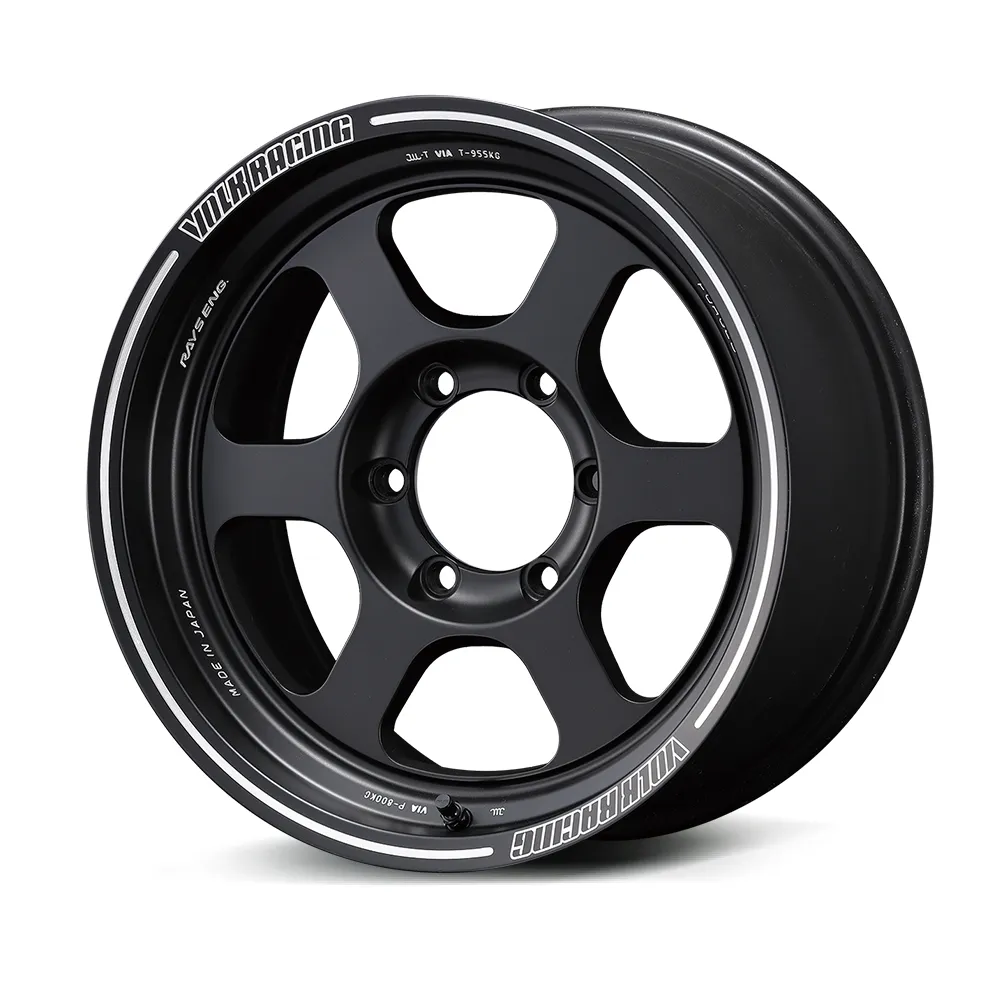
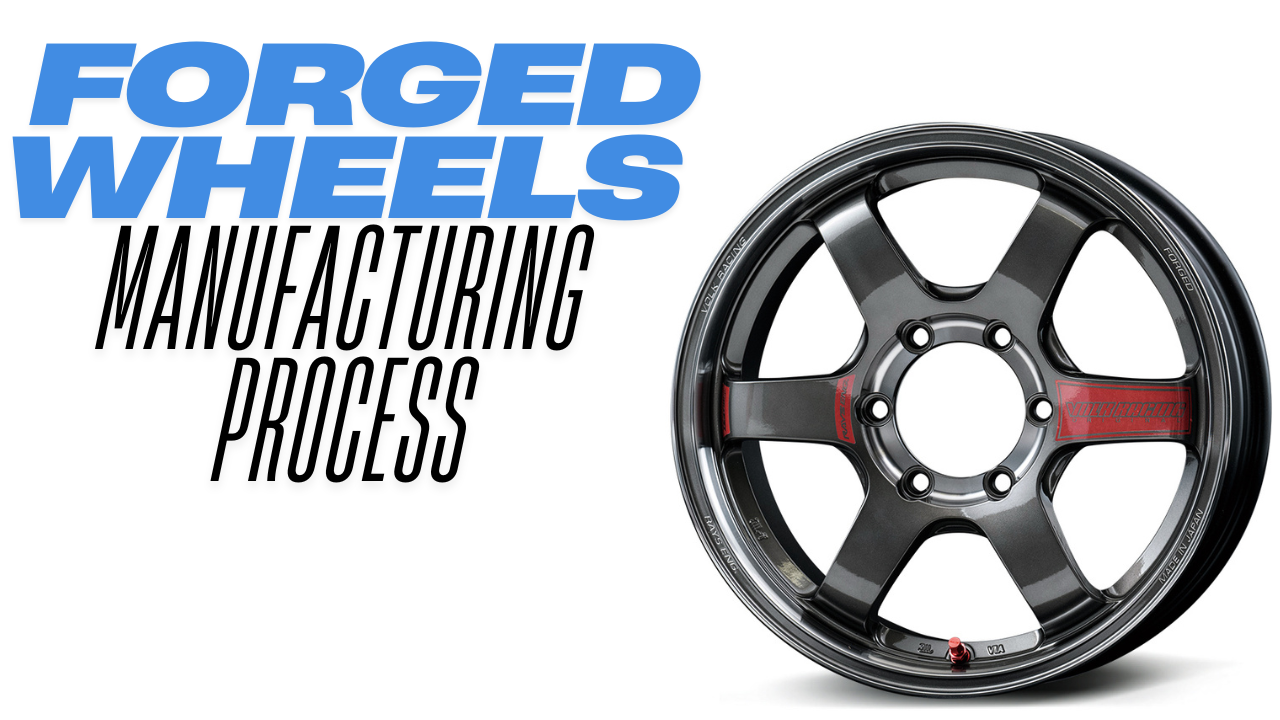
How an iconic TE37 wheel is born in an advanced production facility
Wheels are among the most important components of any vehicle—not just functional, but a critical part of performance, safety, and style. What may look like a simple metal circle is actually the result of hours of engineering, heat, force, and meticulous craftsmanship. If you’re curious about what goes into making high-performance car wheels, this YouTube video you shared offers a hypnotic, satisfying look at the precision and power behind the scenes.
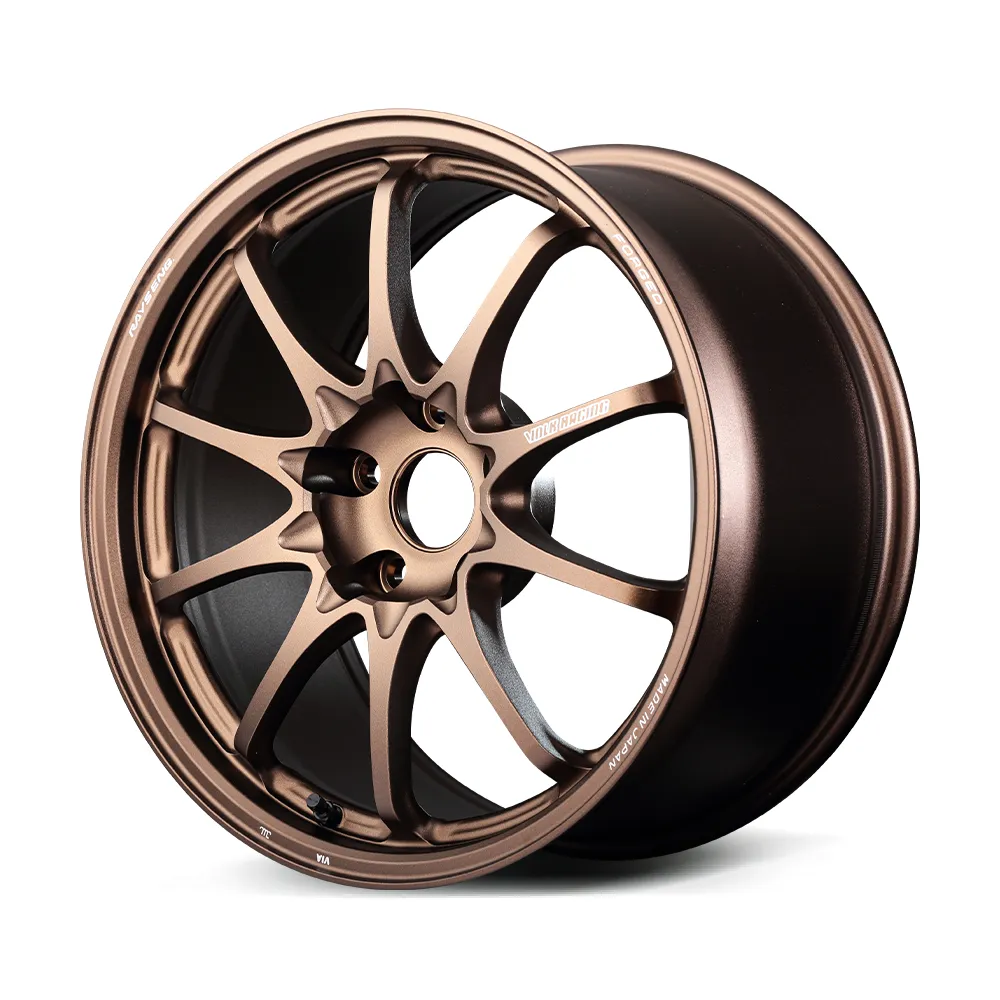
From Solid Aluminum to Wheel Blank
The journey begins not with a cast rim or forged ring, but a solid billet of high-grade aluminum alloy. In performance wheel manufacturing like the TE37 process featured in the video, this billet is heated to extreme temperatures to make the metal pliable enough for forging.
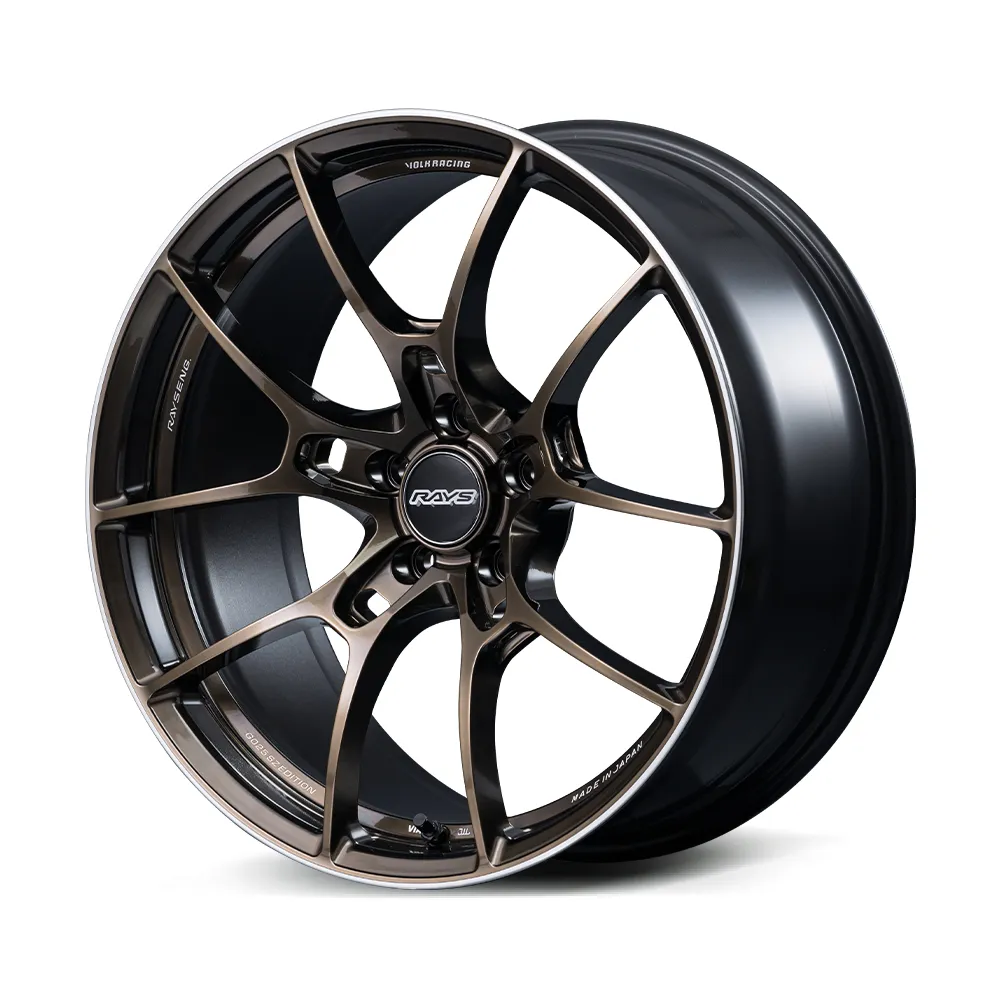
This initial stage sets the foundation: the raw material’s internal grain structure is aligned and compressed, giving the final wheel greater strength and tensile properties compared to typical cast wheels.
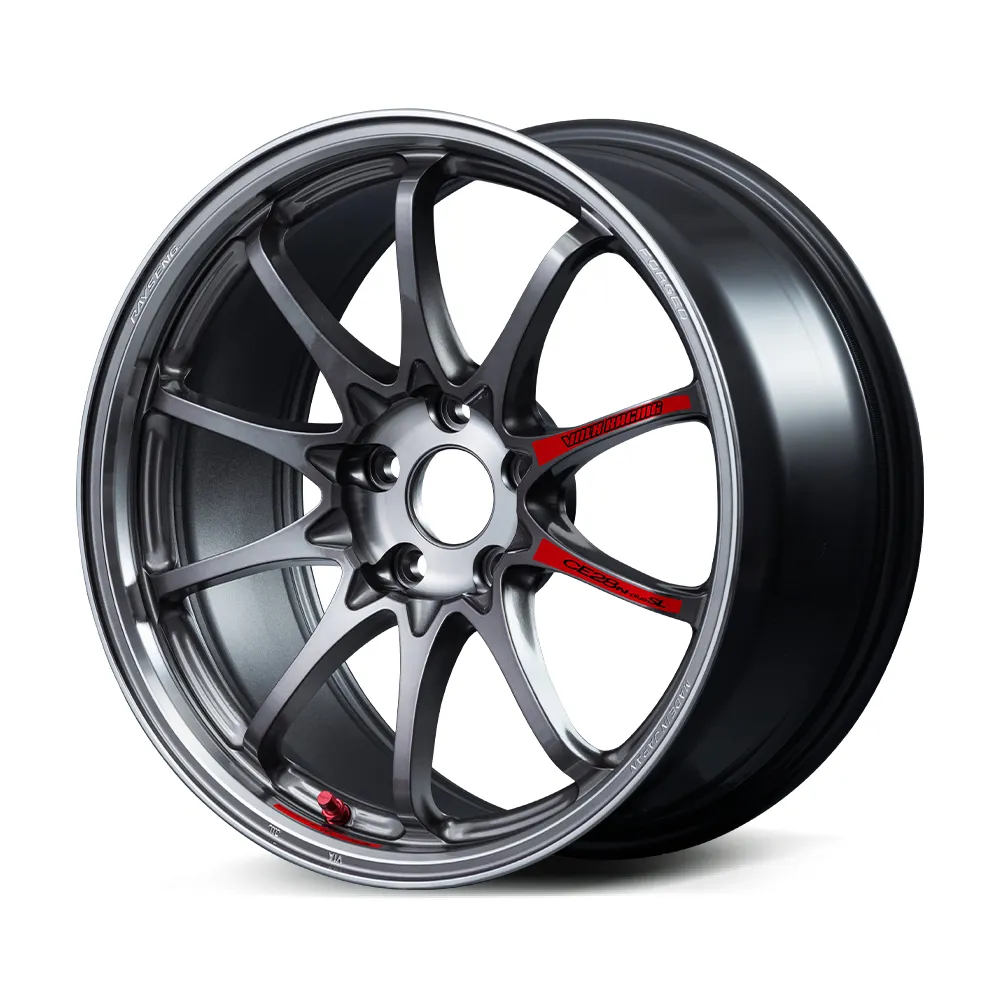
Forging: Pressure Meets Precision
Once heated, the billet is moved into a massive die press. Under incredible force—sometimes tens of thousands of pounds per square inch—the aluminum is gradually shaped into the rough form of a wheel. This doesn’t just change the shape; it refines the internal metal structure, making the wheel stronger and lighter.
The video shows multiple forging stages, each progressively defining the wheel’s rim and spoke areas. This step is part art, part engineering, and completely mesmerizing to watch.
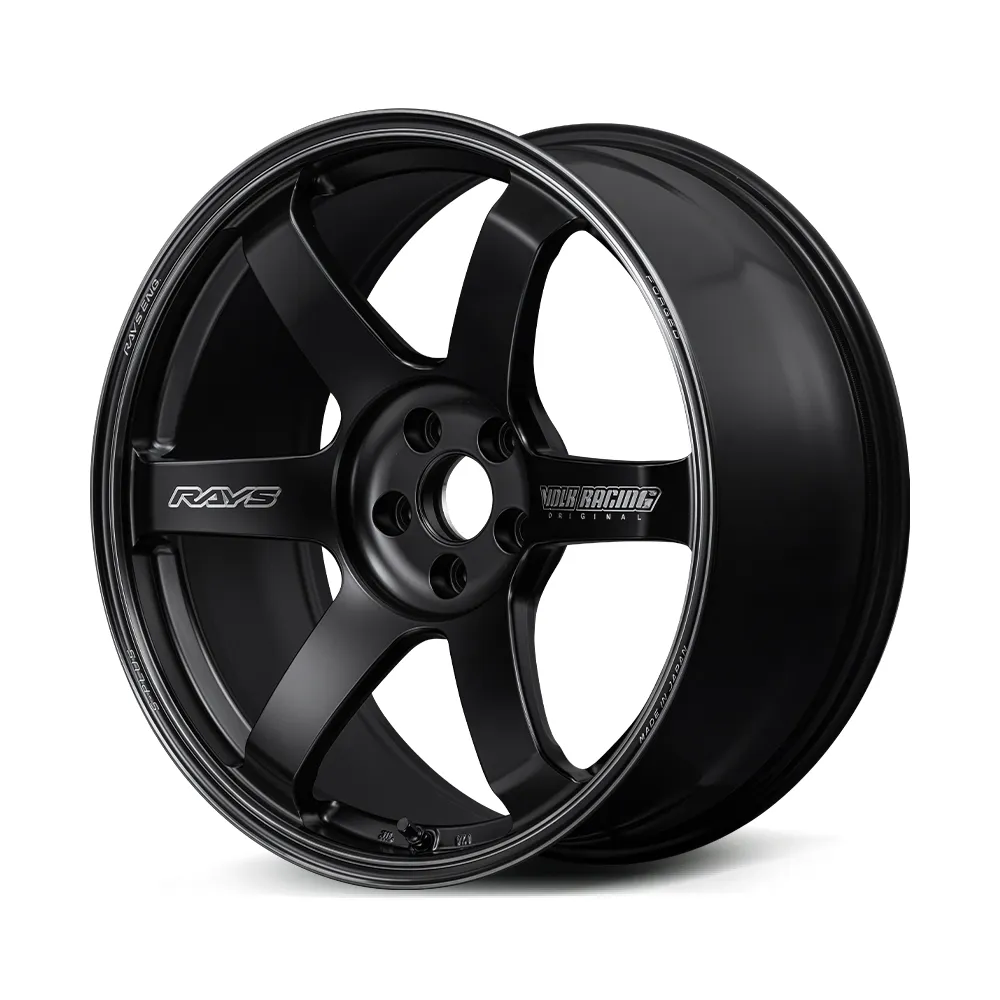
Machining and Fine Detailing
After forging, the wheel blank is far from finished. Precision CNC machining takes over to carve specific features:
- Cut the exact spoke design
- Drill bolt holes
- Create valve stem recesses
- Smooth all surfaces to ultra-tight tolerances
This machining gives the wheel its final shape and refined appearance.
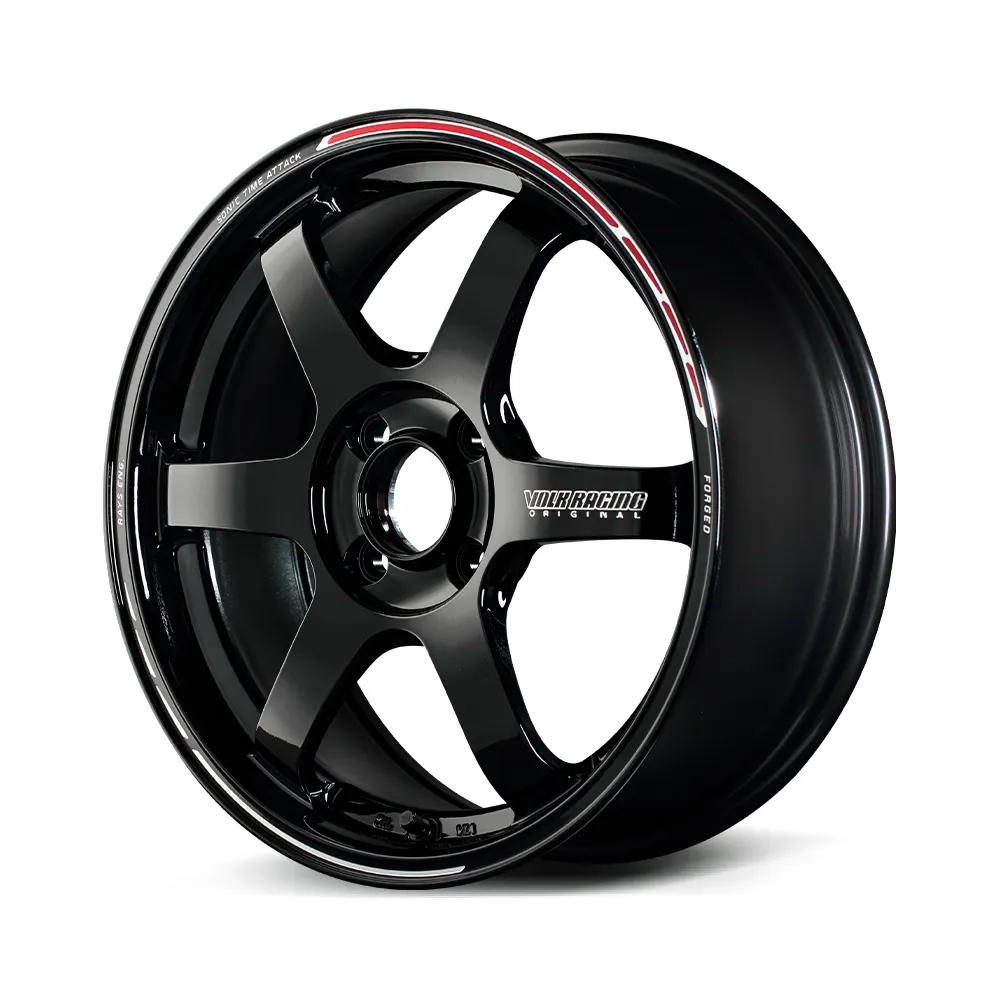
Finishing Touches
Once machined, wheels undergo a series of finishing processes:
- Heat treatment to maximize strength
- Surface smoothing and polishing
- Powder coating or paint for corrosion protection and style
- Final inspection to catch any imperfections before shipment
These steps ensure each wheel is both durable and ready for performance or show use.
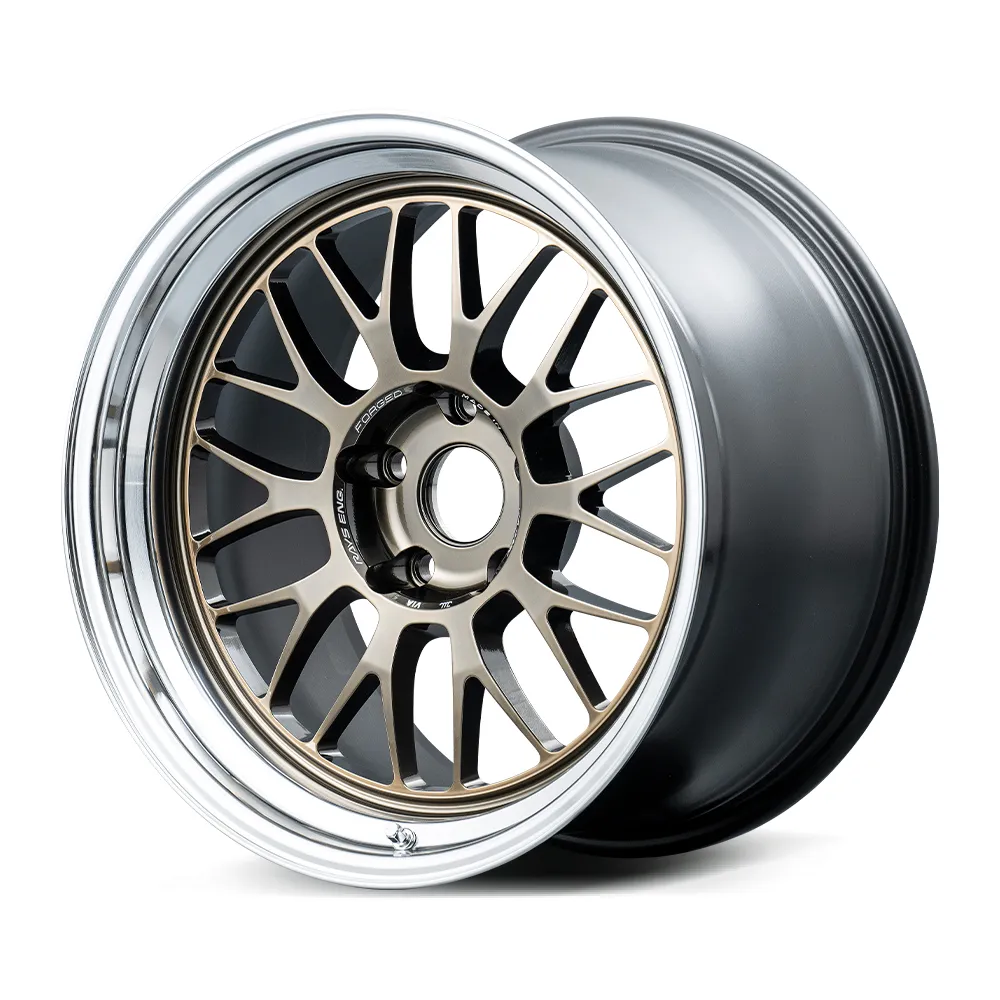
Quality Checks That Matter
Manufacturers don’t just hope their wheels will hold up—they prove it. High-standard testing involves stress and fatigue tests that simulate years of real-world driving conditions. Whether it’s cornering forces or impact resistance, each wheel is checked to make sure it meets stringent specifications.
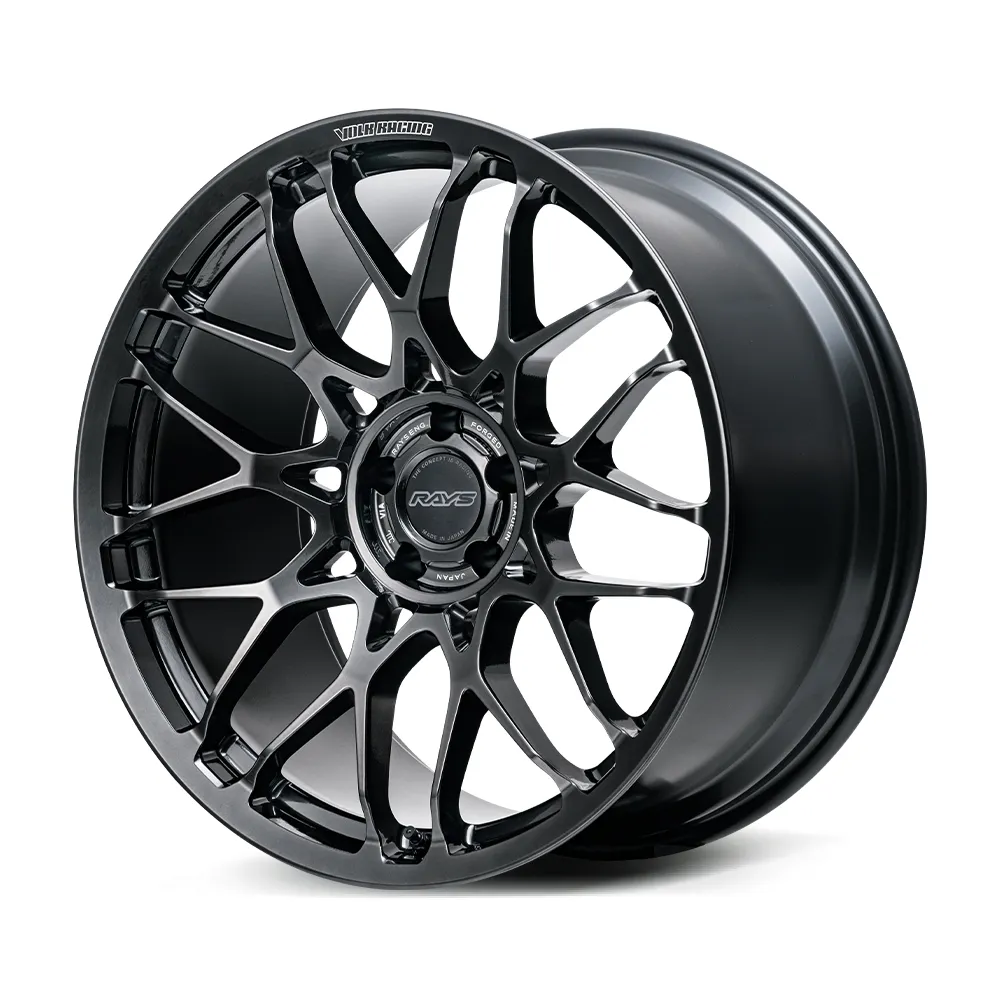
For high-end forged wheels like the TE37, this level of quality control is part of what makes them prized by enthusiasts worldwide.
Why It’s So Fascinating
What makes these “how it’s made” videos so compelling isn’t just the engineering—it’s seeing raw materials transformed into something both beautiful and functional. The combination of heavy industrial power and fine precision craft highlights the quiet marvels of modern manufacturing.
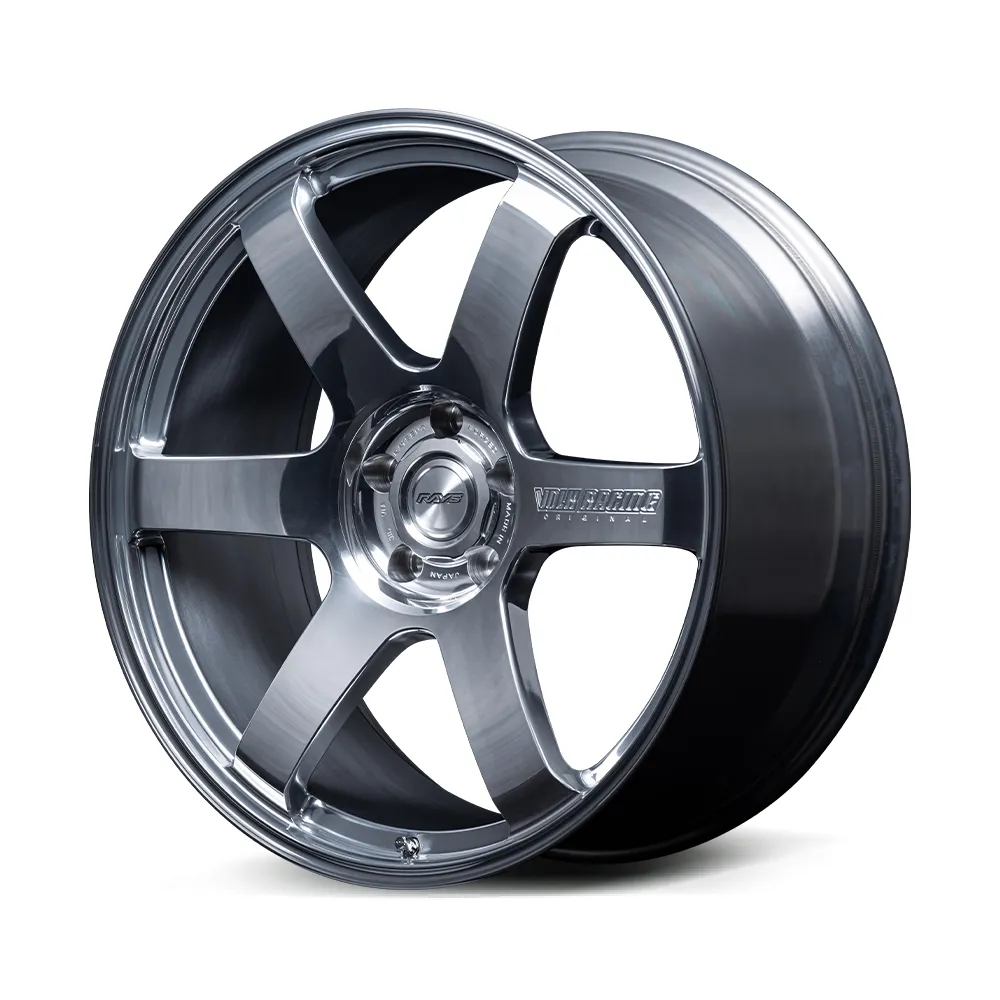
Whether you’re a car enthusiast or just like watching complex processes unfold, a wheel isn’t just a wheel. It’s a piece of engineering that takes science, art, and a lot of heat to create.