The Origins of the Nissan Skyline: A Deep Dive into Its Classic Roots
The Nissan Skyline’s journey began in the early 1950s with the release of the first model, the Skyline 1500, in 1957. Initially introduced as part of the Prince Motor Company, this vehicle marked the inception of a legacy that would evolve over several decades. The name ‘Skyline’ originally adorned a sedan developed with a focus on a robust, functional design, appealing to the family-oriented consumer of the time. As Nissan (formerly known as Prince) entered the automotive market, it quickly recognized the potential for creating a performance-oriented vehicle line, thus planting the seeds for what would eventually become the celebrated GT-R variant.
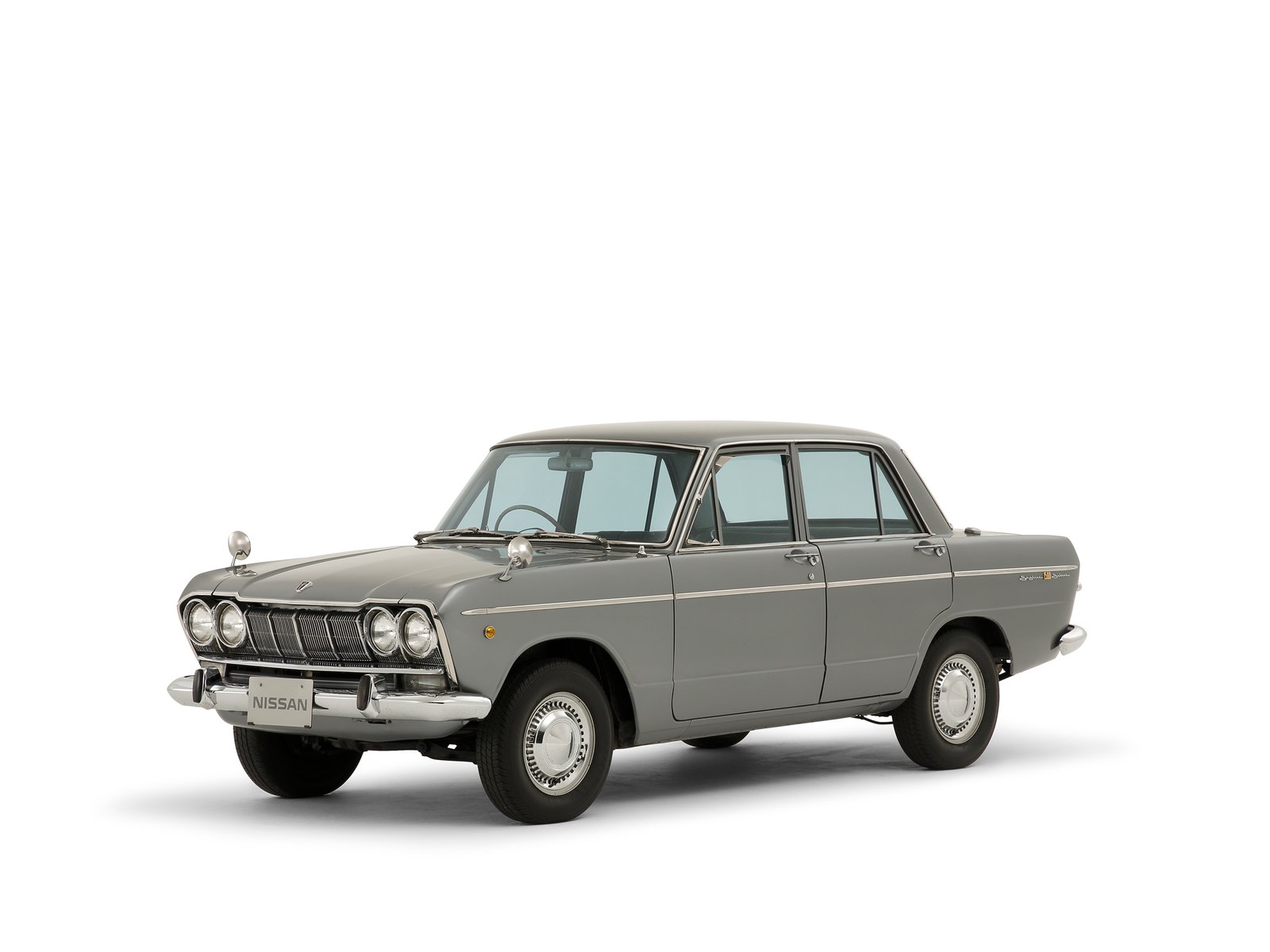
Through the 1960s and 1970s, the Nissan Skyline underwent substantial transformations. The introduction of the Skyline GT model in 1964 represented a pivotal shift, combining modern styling with enhanced engineering. This era saw the Skyline’s first collaboration with motorsport, lending it an air of competitiveness and exclusivity. The 1966 model further refined the vehicle’s performance characteristics, with upgrades in its engineering that would later become synonymous with the GT-R legacy.
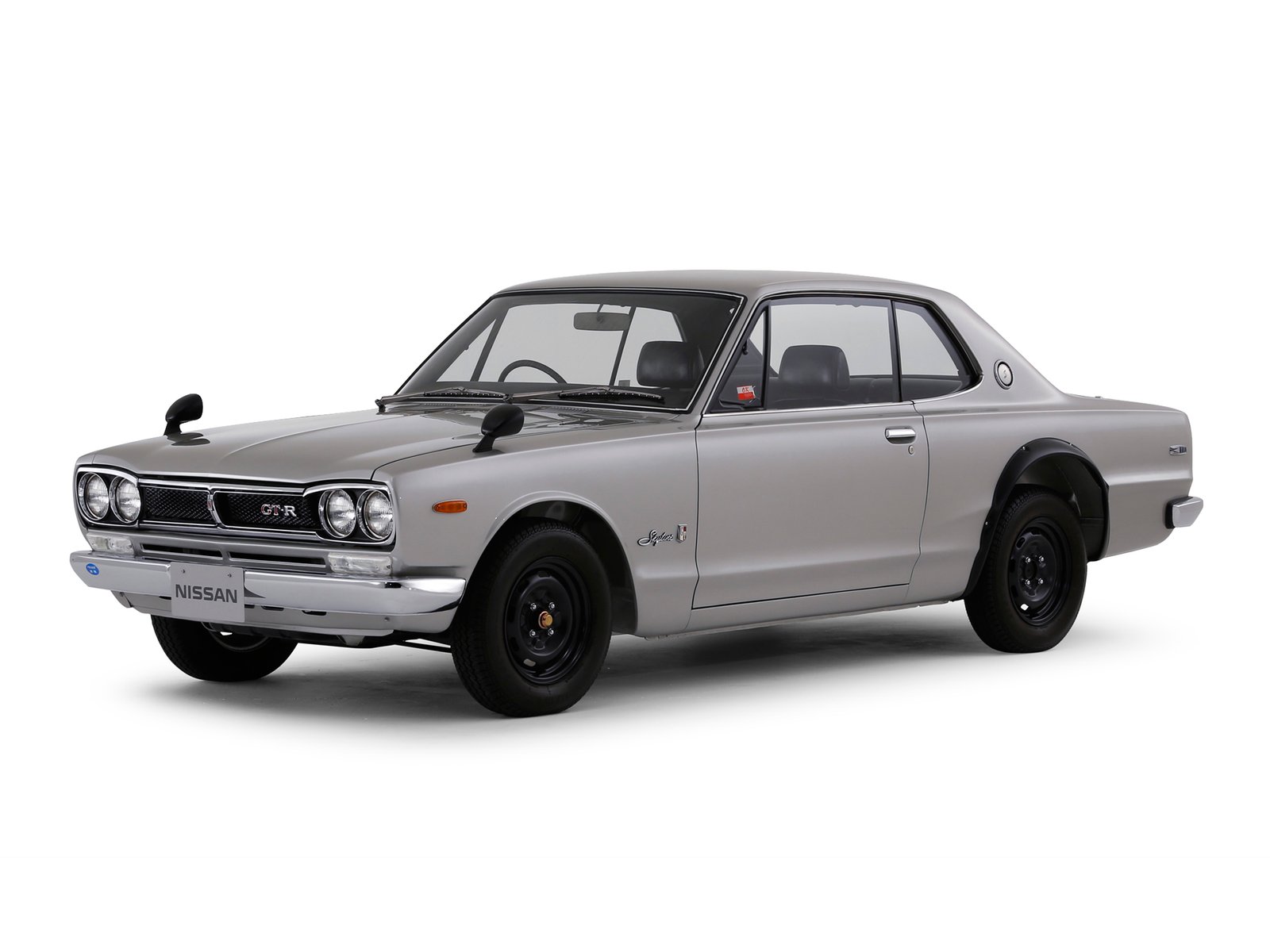
As the Skyline evolved, its market positioning shifted notably. Initially catering to Japan’s domestic audience, it began to capture the attention of international enthusiasts as well. The introduction of the Kenmeri Skyline in the early 1970s showcased a striking design that appealed to a broader audience, featuring a more aggressive stance and sporty aesthetics. Cultural significance burgeoned as the Skyline became emblematic of Japan’s burgeoning automotive industry and a symbol of pride among domestic consumers.
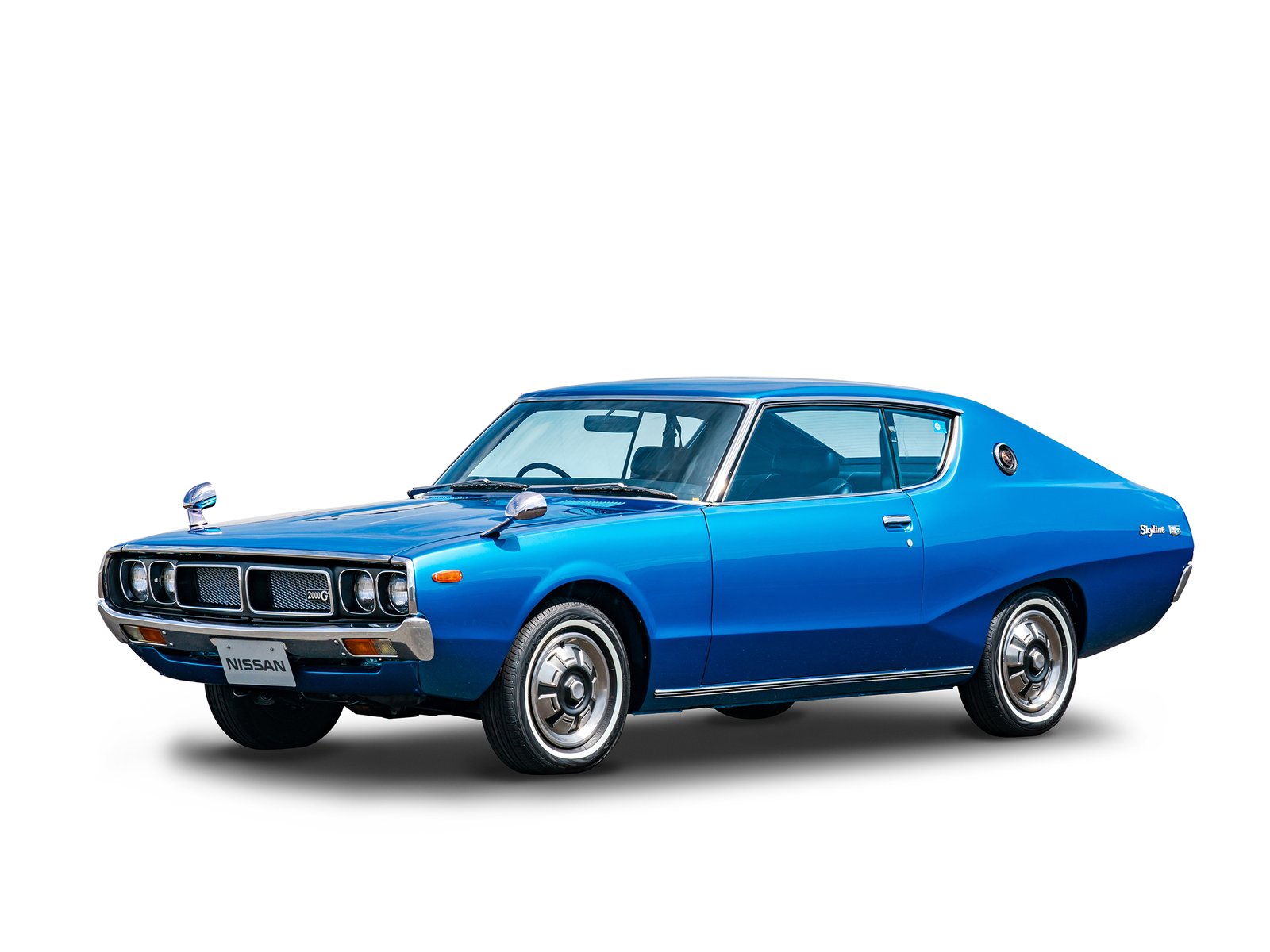
The intersection of innovative engineering and traditional values laid the foundation for the Skyline’s illustrious path ahead. By the time the GT-R variant was conceived in the late 1980s, the Skyline had transformed from a humble sedan into an iconic figure within the automotive community, setting the stage for its transition into modern supercar status.
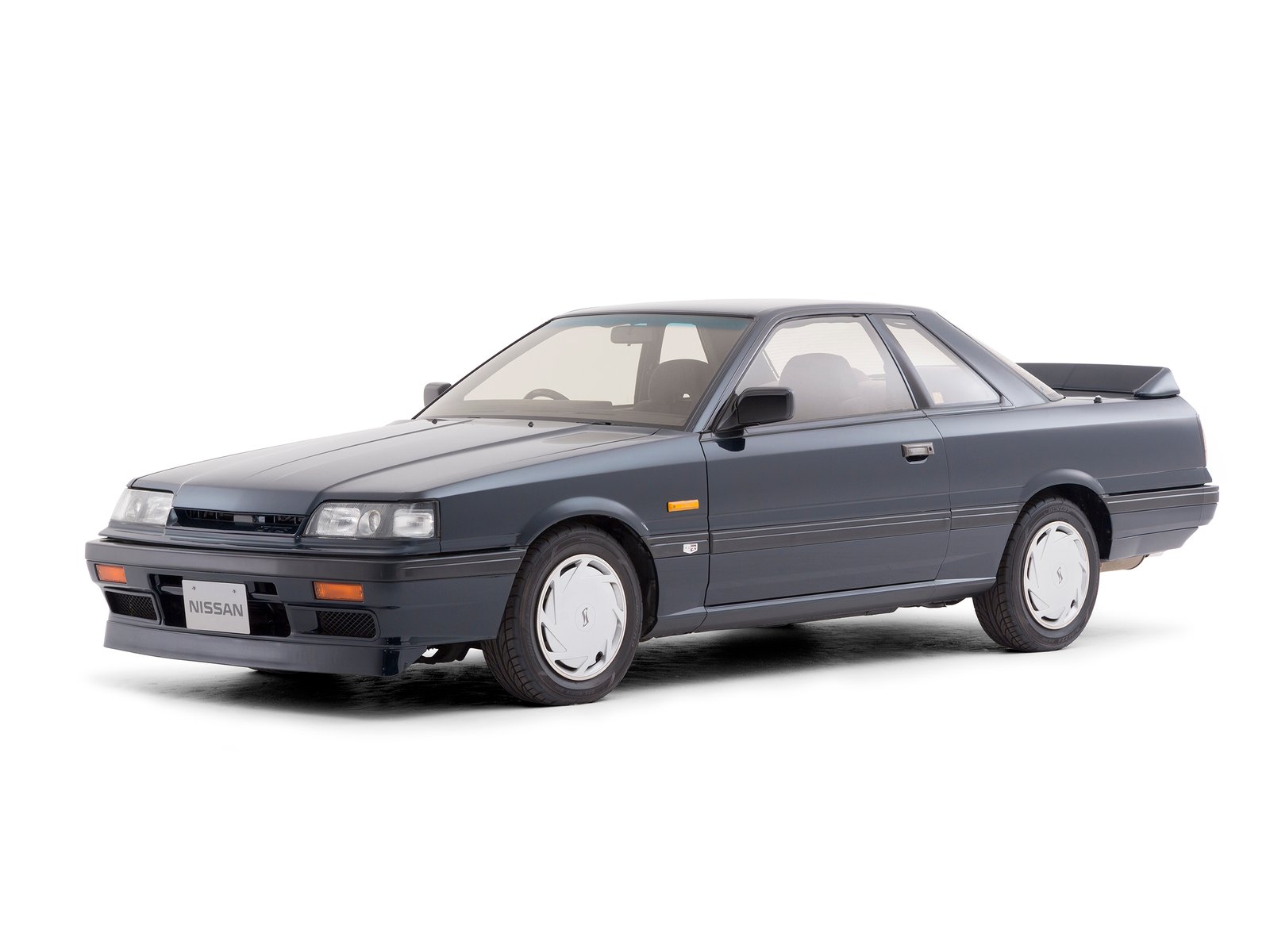
The Birth of the GT-R: Revolutionizing Performance in the 1980s
The Nissan Skyline GT-R emerged in the late 1980s as a groundbreaking force in the automotive world, signaling a significant shift in performance car technology and design. Launched in 1989, the R32 generation of the GT-R was a product of meticulous engineering and innovative ideas, positioning itself to challenge established performance vehicles. At its core, the R32 was designed with a philosophy that emphasized not just raw power, but also precision handling, connecting the driver intimately with the driving experience.
One of the key features that distinguished the Skyline GT-R was its introduction of the ATTESA E-TS all-wheel-drive system. This technology allowed for impressive power distribution among all four wheels, enhancing traction and stability on various terrains. Coupled with a sophisticated multi-link suspension system, the GT-R was engineered to dominate both on the road and the racetrack. The result was a vehicle capable of achieving remarkable cornering speeds and responsive performance that was largely unheard of during that era.
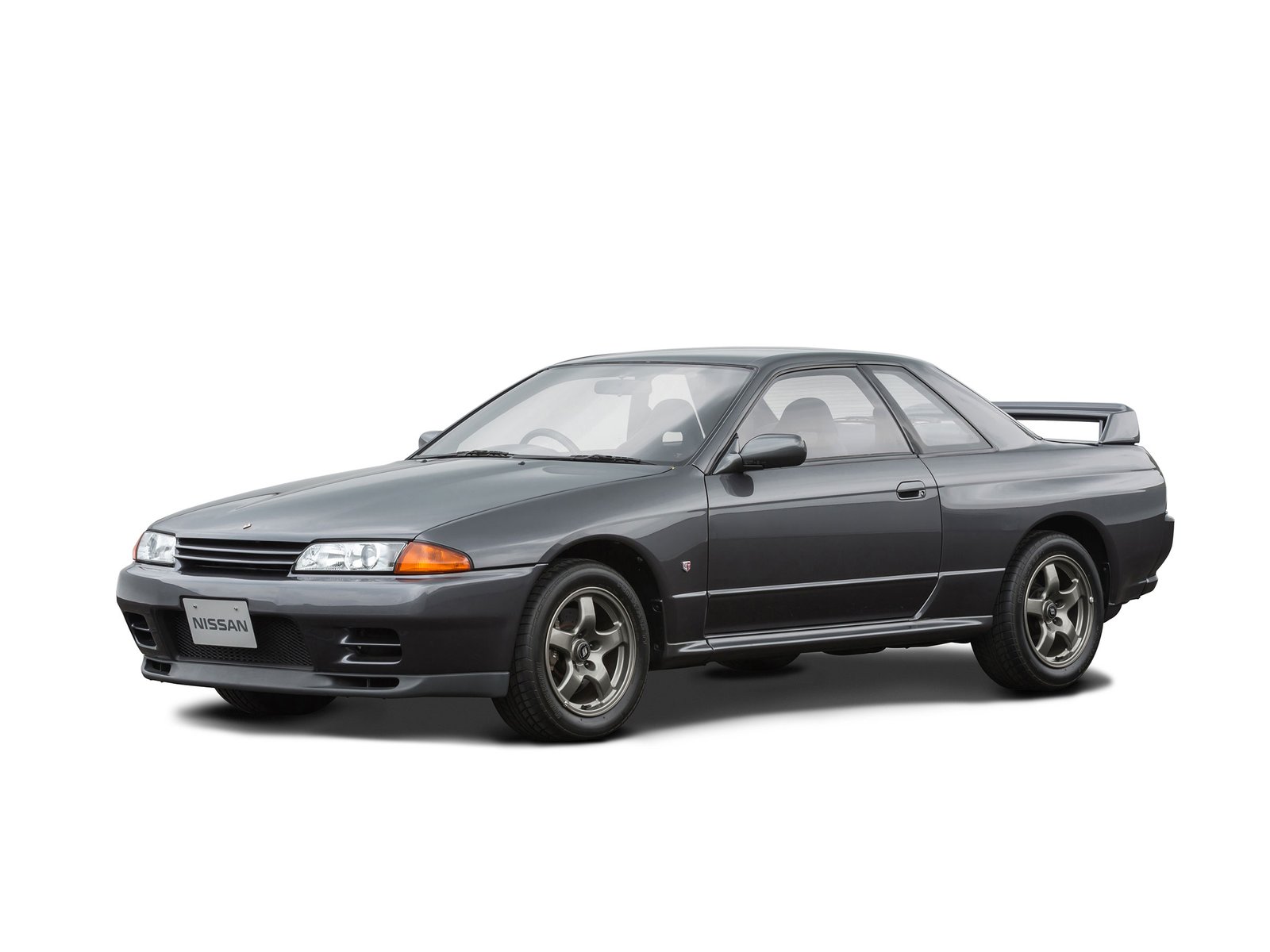
Another vital aspect of the R32’s design was its RB26DETT engine. This 2.6-liter inline-six twin-turbocharged powerhouse produced an impressive output, elevating the Skyline GT-R to the realm of supercars. Its performance was so superior that it quickly garnered attention from motorsport enthusiasts and has since earned a revered place in automotive history. The car’s racing pedigree was further solidified by its success in various competitions, including the Japanese Touring Car Championship, where it dominated the grid.
Initial reception of the GT-R was mixed; it faced skepticism from purists who favored European performance machines. However, as its capabilities became evident, particularly through its competitive successes, the GT-R carved a niche for itself, revolutionizing what a performance car could embody. It became a symbol of Japanese engineering prowess, paving the way for a new generation of high-performance vehicles that would emerge in the years to follow.
The Rise to Legendary Status: R33 and R34 Generations
The Nissan Skyline GT-R, particularly in its R33 and R34 iterations, marked a significant milestone in the evolution of performance vehicles. The R33 GT-R, introduced in 1995, built upon its predecessor’s success with enhanced aerodynamics and a more refined chassis. Its design improvements included a wider body and a more prominent rear wing, which contributed to increased stability at high speeds. The R33 was powered by the same RB26DETT engine, a 2.6-liter inline-six twin-turbocharged powerhouse, renowned for its impressive performance metrics, delivering approximately 280 horsepower and 368 Nm of torque. This combination allowed the R33 GT-R to achieve remarkable acceleration and cornering capabilities, firmly establishing its reputation on both road and track.
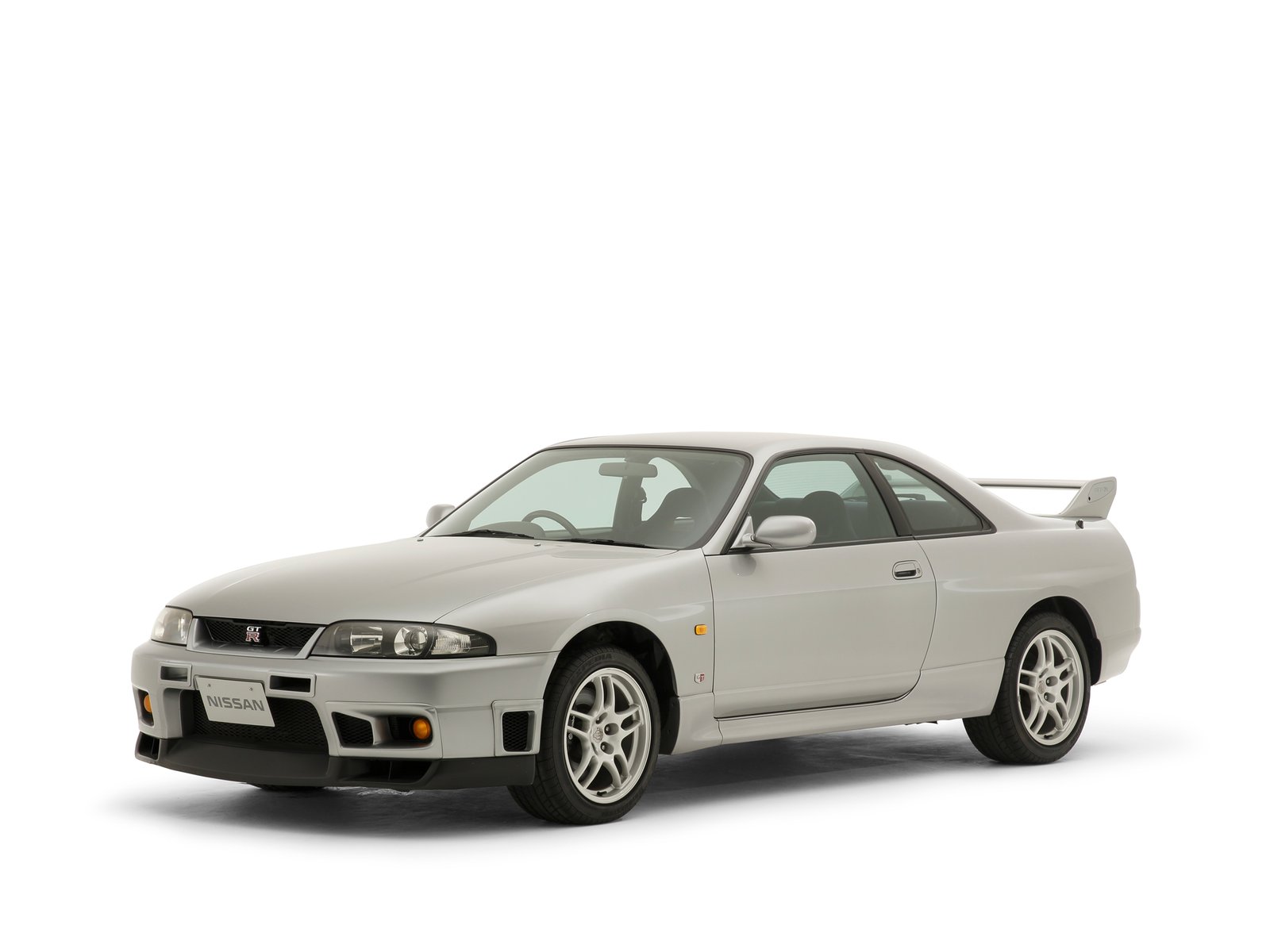
The R34 GT-R, debuting in 1999, further solidified the model’s status as a performance legend. Featuring technological advancements such as the ATTESA E-TS all-wheel-drive system and the Super-HICAS (High-Performance Steering) technology, the R34 provided exceptional handling and agility. The RB26DETT engine received refinements that increased its output and overall efficiency, enhancing the driving experience. With its striking design and unmistakable presence, the R34 quickly garnered a cult following, becoming an emblematic figure in car culture.
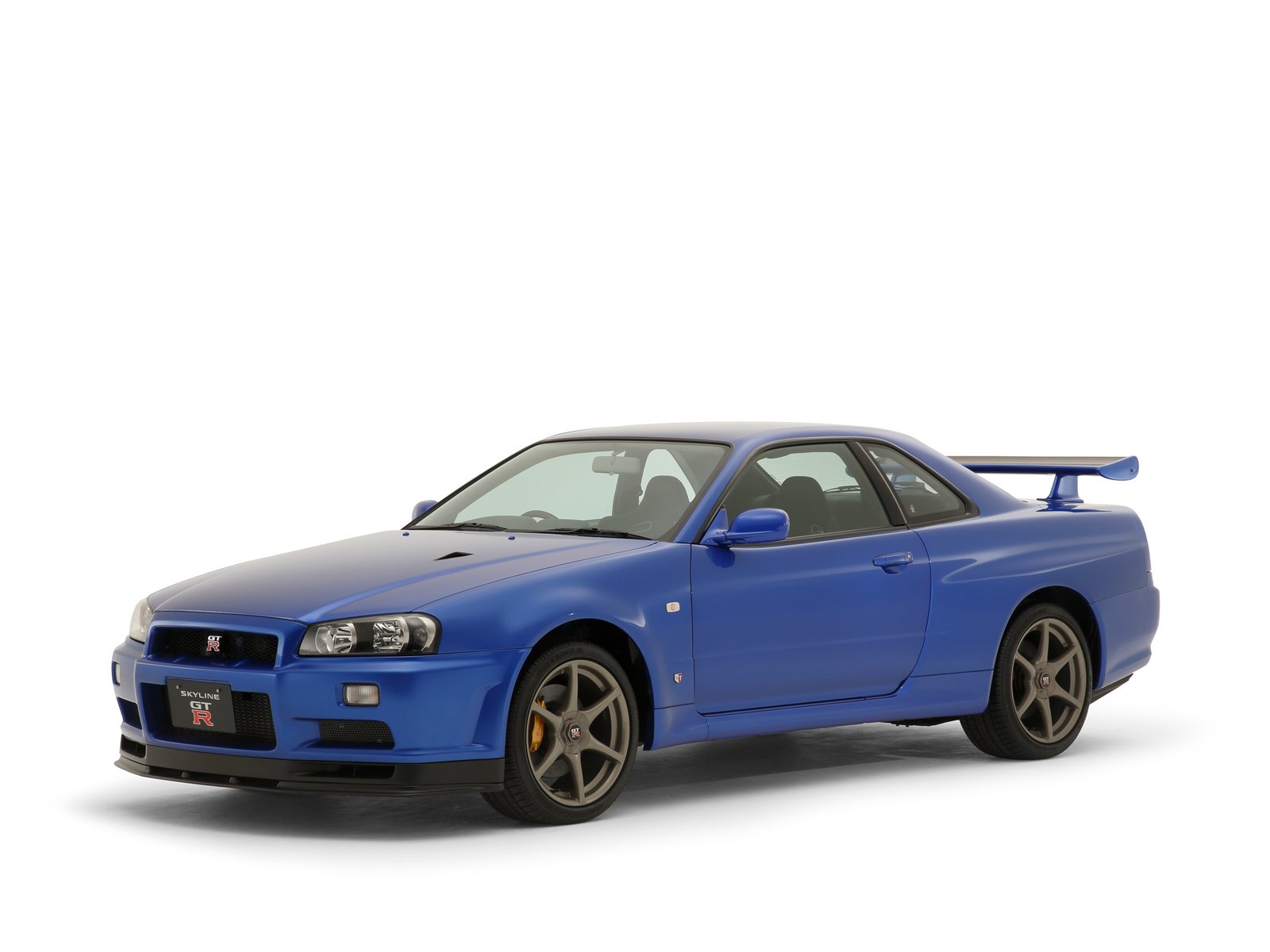
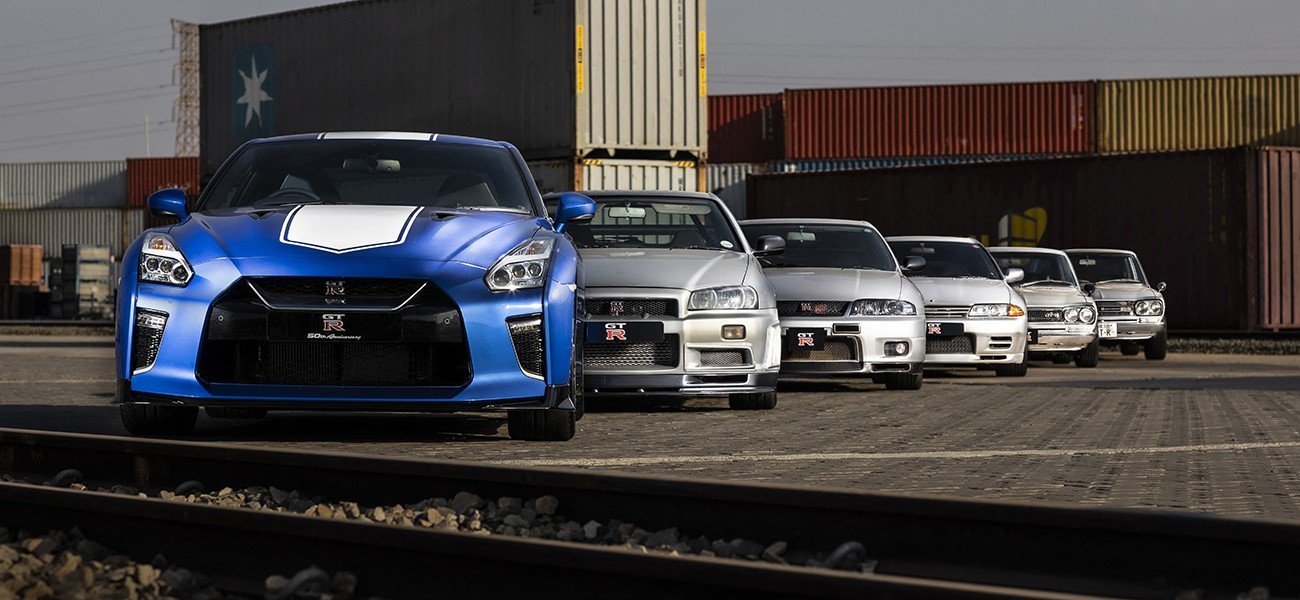
Both the R33 and R34 generations achieved notable success in motorsport, particularly in the Japan Grand Touring Championship (JGTC). Nissan’s strategic participation in this series not only showcased the cars’ abilities but also reinforced their racing pedigree. The legendary status of the GT-R was further elevated by its achievements in international markets, attracting a wave of enthusiasts and collectors eager to experience the performance and engineering excellence that the Skyline GT-R embodied. This legacy paved the way for the GT-R’s modern supercar status, ensuring its rightful place in automotive history.
The Modern Era: The GT-R’s Transformation into a Supercar and its Future
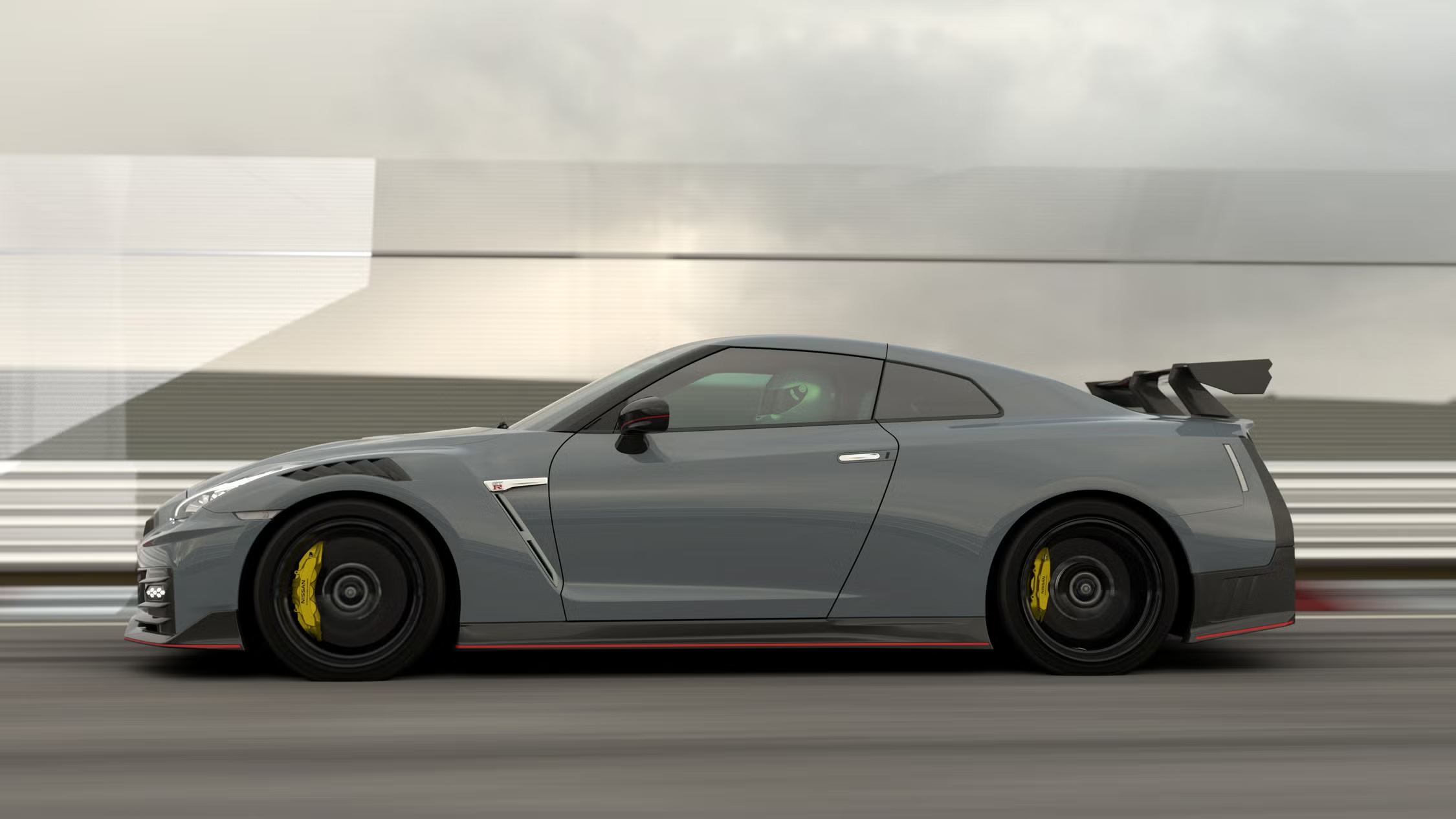
The Nissan GT-R (R35), once known primarily for its classic roots, has undergone a remarkable transformation into a modern supercar, maintaining its relevance amid the rapid advancements in automotive technology. The latest iterations of the GT-R showcase a striking design that combines aggressive aerodynamics with sleek lines, reflecting both performance and modern aesthetics. Underpinning this visual allure is an unparalleled engineering focus, evidenced by the vehicle’s state-of-the-art mechanics, which include a powerful twin-turbocharged V6 engine paired with an advanced all-wheel-drive system. These features not only elevate its performance capabilities but also deliver an exhilarating driving experience characteristic of supercars.
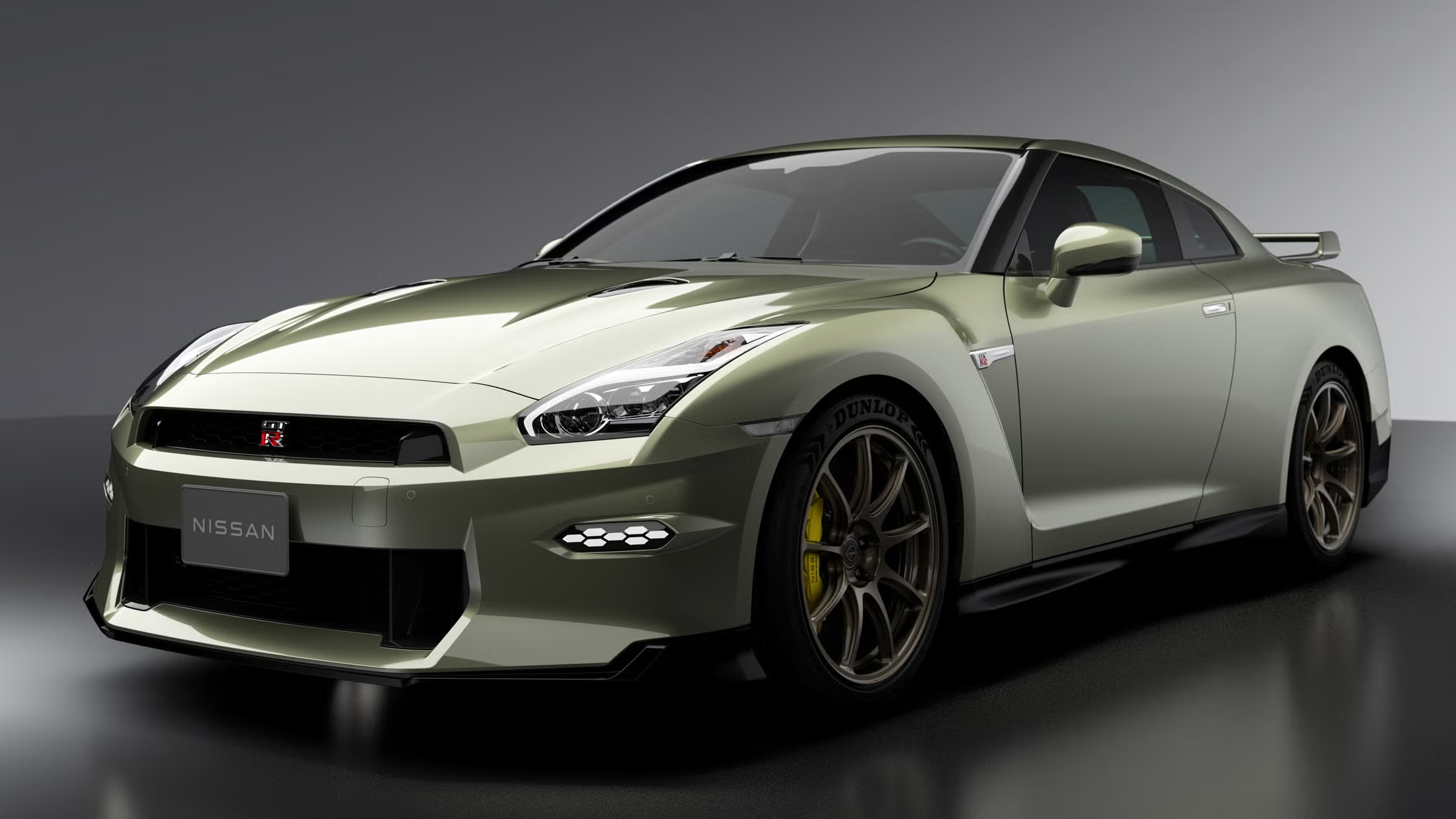
Moreover, the GT-R boasts cutting-edge technology that enhances both safety and user experience. Advanced driver-assistance systems, infotainment integration, and real-time performance analytics set it apart as a vehicle that adheres to contemporary expectations. An essential part of its appeal lies in its ability to evolve while still preserving the spirit of the original Skyline. As automotive trends shift towards electrification, the GT-R faces numerous challenges, including stricter emissions regulations and intense competition from rival manufacturers. These dynamics prompt Nissan to reassess its strategy regarding the GT-R, balancing tradition with innovation.
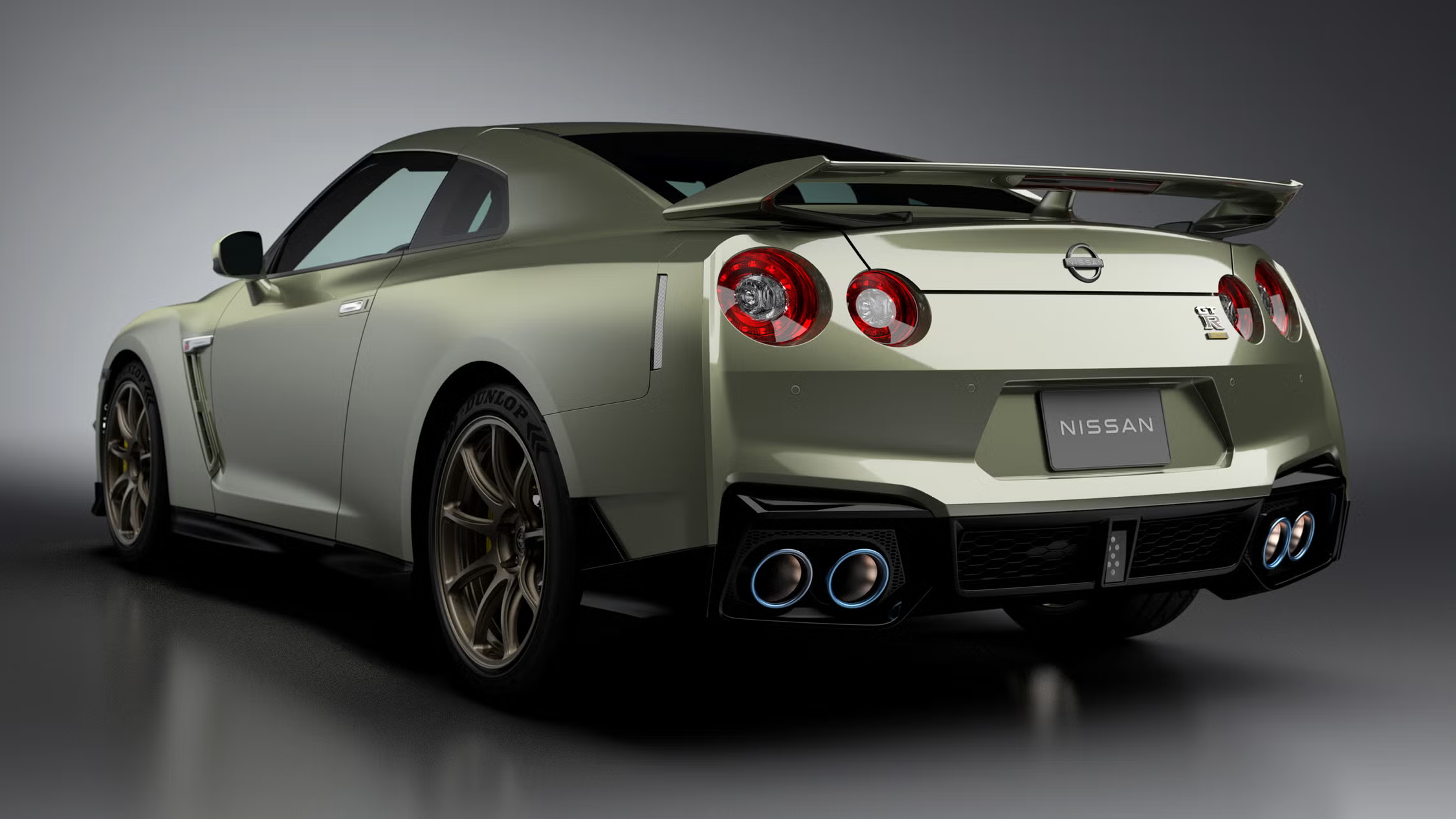
The future of the GT-R badge may very well lean towards hybrid or fully electric configurations, potentially incorporating advanced battery technology that offers impressive acceleration while minimizing environmental impact. The integration of electric drivetrains could also align with consumer expectations for sustainability and futuristic performance. While the iconic GT-R nameplate has a legacy rooted in high-performance gasoline engines, evolving it into an electric supercar could preserve its reputation while adapting to market demands. As we contemplate the future of the GT-R, its legacy, innovation, and adaptability remain central to its continued success in the world of high-performance vehicles.